
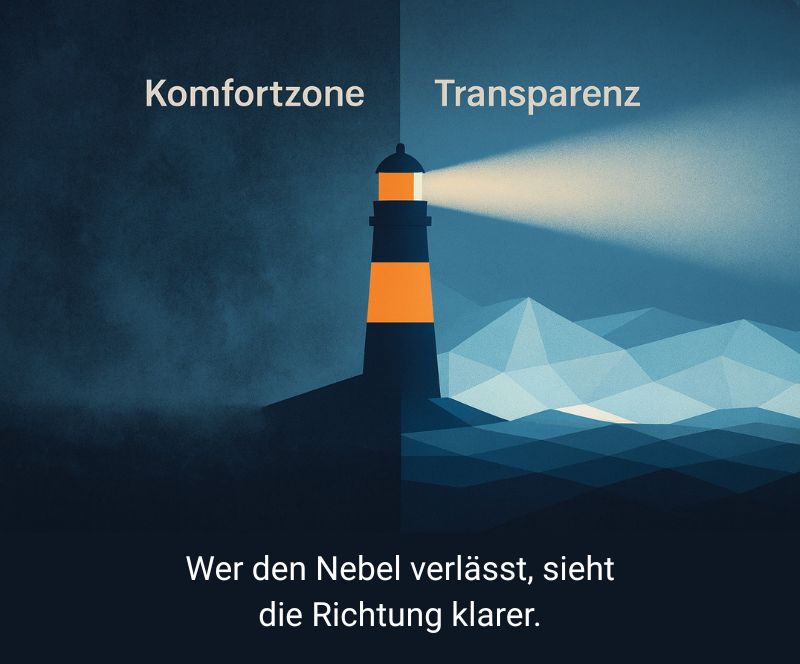
Risk assessment: comfort zone versus transparency In an expert-driven risk process, much stays implicit: decisions, judgments, and weightings form “in someone's head,” and thereby outside any traceability. At first, this creates a sense of security, at least a felt one. Quantitative models change this balance: they force the disclosure of assumptions, dependencies, causal mechanisms, and data. That means more transparency, but less control for those who previously shaped opinion. The typical resistance follows immediately: “That's far too much effort.” “Our risks can't be quantified at all.” “You can't calculate that so precisely.” Yet transparency is not a loss of control, it is risk reduction. Anyone who understands how risks work and what they have assumed avoids flying blind, and creates the basis for targeted decisions. ➡️ Change approach: Actively involve risk experts in building the model. They know which factors influence the risk, how they relate to each other, and often also where the data for it can be found. That way they stay part of the process, help shape the models, and in the end validate the plausibility of the results. They leave their comfort zone, but they help shape transparency instead of merely enduring it. The most important precondition: a tool that enables transparency without overwhelming people. How does your company deal with this conflict?
This post was originally published on LinkedIn. View and join the discussion there